Nelarabine (nelarabine)
Multiple manufacturers; brand: Arranon by Novartis · Nucleoside Metabolic Inhibitor / Purine Analog
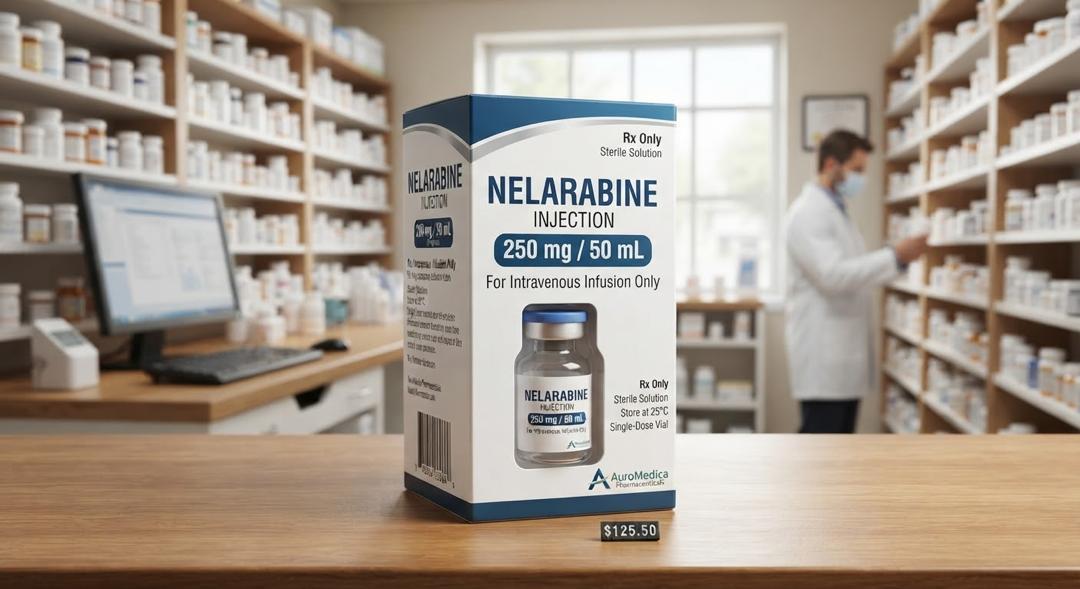
What is Nelarabine? Nelarabine (brand: Arranon) is a purine nucleoside analog used for the treatment of relapsed or refractory T-cell acute lymphoblastic leukemia (T-ALL) and T-cell lymphoblastic lymphoma (T-LBL). It is a prodrug that is converted to ara-GTP, which causes DNA strand breaks in T-cells.
About Nelarabine
| Brand Name | Nelarabine |
| Generic / INN | nelarabine |
| Drug Class | Nucleoside Metabolic Inhibitor / Purine Analog |
| Manufacturer | Multiple manufacturers; brand: Arranon by Novartis |
| Administration | Intravenous (IV) infusion |
| FDA Approval | 2005 |
FDA-Approved Uses for Nelarabine
Indications are based on FDA approval. Your healthcare provider determines appropriate use based on your specific diagnosis, stage, biomarker status, and overall clinical picture.
- Relapsed or refractory T-cell acute lymphoblastic leukemia (T-ALL) — adults and pediatric patients after at least two prior chemotherapy regimens
- Relapsed or refractory T-cell lymphoblastic lymphoma (T-LBL) — adults and pediatric patients after at least two prior chemotherapy regimens
How Does Nelarabine Work?
Nelarabine is a prodrug that is demethylated to ara-G, then phosphorylated to ara-GTP. Ara-GTP accumulates preferentially in T-lymphoblasts (high deoxycytidine kinase activity) and incorporates into DNA, causing DNA strand breakage and cell death. The selective accumulation in T-cells gives nelarabine activity against T-cell leukemias and lymphomas.
Dosage & Administration
Adults: 1,500 mg/m² IV over 2 hours on days 1, 3, and 5, repeated every 21 days. Pediatric patients: 650 mg/m² IV over 1 hour daily for 5 consecutive days, repeated every 21 days.
Warnings, Precautions & Side Effects
General Warning
NEUROTOXICITY — can be severe and life-threatening (seizures, peripheral neuropathy, demyelination, ascending neuropathy similar to Guillain-Barré). Discontinue for grade 2 or greater neurologic toxicity. Hematologic toxicity. Embryo-fetal toxicity.
Common Side Effects
- Fatigue
- Peripheral neuropathy
- Nausea
- Diarrhea
- Headache
- Anemia
- Neutropenia
- Constipation
- Somnolence
This is not a complete list. Always report new or worsening symptoms to your healthcare provider promptly.
Storage & Handling
Store at room temperature 25°C (77°F). Store at 25°C (77°F).
BiologicHealthPlus provides temperature-monitored cold-chain specialty delivery for medications requiring refrigeration. Never use a medication if its storage conditions have been compromised.
Insurance Coverage, Prior Authorization & Patient Assistance
🛡️ Commercial Insurance
Nelarabine is covered by most major commercial insurance plans when medically necessary and prior authorized. Coverage tier and cost-sharing vary by plan.
✅ Prior Authorization
Prior authorization is required by virtually all insurance plans for Nelarabine. BiologicHealthPlus handles the complete prior authorization process at no cost to patients or providers.
🏥 Medicare Coverage
Medicare Part B covers this IV medication when administered in a clinical setting. Medicaid coverage varies by state.
🆓 Patient Assistance
Manufacturer patient assistance programs may be available for eligible uninsured or underinsured patients. Contact BiologicHealthPlus for a confidential eligibility review.
Prior Authorization Patient Assistance Insurance & Savings Medication Costs
Frequently Asked Questions — Nelarabine
Nelarabine (brand: Arranon) is used for relapsed or refractory T-cell acute lymphoblastic leukemia (T-ALL) and T-cell lymphoblastic lymphoma (T-LBL) in adults and children after at least two prior chemotherapy regimens.
Severe neurotoxicity is the most serious risk — including peripheral neuropathy, seizures, and ascending neuropathy resembling Guillain-Barré syndrome. Patients and clinicians must monitor closely for neurologic symptoms throughout treatment.
Yes. Nelarabine's prodrug mechanism leads to selective accumulation in T-lymphoblasts, making it specifically active against T-cell malignancies. It is not used for B-cell ALL.
Nelarabine is covered by Medicare Part B and commercial insurance for the approved T-ALL/T-LBL indications with prior authorization.
Related Medications & Conditions
Related Medications
Vincristine · Cyclophosphamide · Methotrexate · Doxorubicin · Pegaspargase
Related Conditions
T-cell acute lymphoblastic leukemia (T-ALL) · T-cell lymphoblastic lymphoma (T-LBL) · Acute lymphoblastic leukemia (ALL)