Lynparza (olaparib)
AstraZeneca / MSD (Merck) · PARP Inhibitor
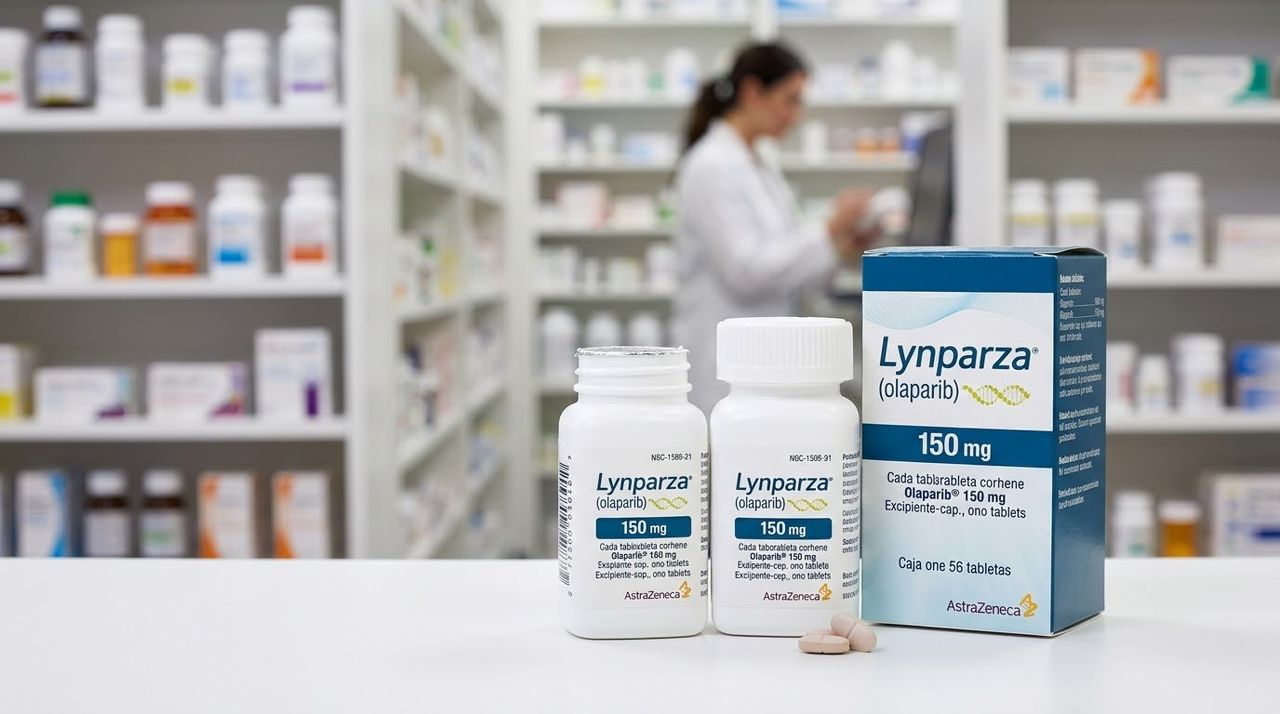
What is Lynparza? Lynparza (olaparib) is a PARP inhibitor by AstraZeneca approved for multiple cancers associated with BRCA mutations and other homologous recombination deficiency (HRD) alterations, including ovarian, breast, prostate, and pancreatic cancers.
About Lynparza
| Brand Name | Lynparza |
| Generic / INN | olaparib |
| Drug Class | PARP Inhibitor |
| Manufacturer | AstraZeneca / MSD (Merck) |
| Administration | Oral tablet |
| FDA Approval | 2014 |
FDA-Approved Uses for Lynparza
Indications are based on FDA approval. Your healthcare provider determines appropriate use based on your specific diagnosis, stage, biomarker status, and overall clinical picture.
- Ovarian cancer — BRCA-mutated advanced ovarian cancer (first-line maintenance, relapsed settings)
- Breast cancer — germline BRCA-mutated HER2-negative metastatic breast cancer
- Prostate cancer — germline or somatic BRCA-mutated metastatic castration-resistant prostate cancer (mCRPC)
- Pancreatic cancer — germline BRCA-mutated metastatic pancreatic adenocarcinoma (maintenance after platinum-based chemotherapy)
How Does Lynparza Work?
Olaparib inhibits poly(ADP-ribose) polymerase (PARP) enzymes — specifically PARP1 and PARP2 — which are involved in DNA single-strand break repair. In cells with BRCA1/2 mutations (which impair homologous recombination repair of double-strand breaks), PARP inhibition creates lethal double-strand breaks that cancer cells cannot repair — a concept called synthetic lethality.
Dosage & Administration
300 mg orally twice daily (two 150 mg tablets twice daily), with or without food. Dose reductions (250 mg or 200 mg BID) apply for toxicity. Dose adjustments required for renal impairment and with CYP3A inhibitors.
Warnings, Precautions & Side Effects
General Warning
Myelodysplastic syndrome (MDS) / acute myeloid leukemia (AML) — reported, including fatal cases. Pneumonitis — can be fatal. Embryo-fetal toxicity. Venous thromboembolism. Anemia — monitor CBC. Avoid co-administration with strong/moderate CYP3A inhibitors when possible.
Common Side Effects
- Anemia
- Nausea
- Fatigue
- Vomiting
- Diarrhea
- Decreased appetite
- Headache
- Nasopharyngitis
- Neutropenia
This is not a complete list. Always report new or worsening symptoms to your healthcare provider promptly.
Storage & Handling
Store at room temperature 20°C to 25°C (68°F to 77°F). Keep in original packaging.
BiologicHealthPlus provides temperature-monitored cold-chain specialty delivery for medications requiring refrigeration. Never use a medication if its storage conditions have been compromised.
Insurance Coverage, Prior Authorization & Patient Assistance
🛡️ Commercial Insurance
Lynparza is covered by most major commercial insurance plans when medically necessary and prior authorized. Coverage tier and cost-sharing vary by plan.
✅ Prior Authorization
Prior authorization is required by virtually all insurance plans for Lynparza. BiologicHealthPlus handles the complete prior authorization process at no cost to patients or providers.
🏥 Medicare Coverage
Medicare Part D covers this oral specialty medication. Medicaid coverage varies by state.
🆓 Patient Assistance
Manufacturer patient assistance programs may be available for eligible uninsured or underinsured patients. Contact BiologicHealthPlus for a confidential eligibility review.
Prior Authorization Patient Assistance Insurance & Savings Medication Costs
Frequently Asked Questions — Lynparza
Lynparza (olaparib) is a PARP inhibitor by AstraZeneca used to treat cancers caused by BRCA1/2 mutations and related DNA repair defects. Approved indications include ovarian, breast, prostate, and pancreatic cancers.
Olaparib blocks PARP enzymes needed to repair DNA damage. In cancer cells with BRCA mutations (which already have impaired DNA repair), PARP inhibition leads to an accumulation of unrepaired DNA damage that kills the cancer cells — a mechanism called synthetic lethality.
Yes — BRCA testing (germline and/or somatic, depending on the indication) is required or strongly recommended before starting Lynparza for most indications. Your oncologist will order the appropriate test.
The most serious risk is myelodysplastic syndrome (MDS) or acute myeloid leukemia (AML), which have been reported in patients receiving Lynparza and can be fatal. Pneumonitis is another serious risk. Report any new breathing symptoms to your oncologist immediately.
Lynparza is covered by most commercial insurance plans and Medicare Part D for approved BRCA-mutated indications. Prior authorization is required, and companion diagnostic test results are typically needed to support the PA. BiologicHealthPlus handles the full PA process.
Related Medications & Conditions
Related Medications
Zejula (niraparib) · Talzenna (talazoparib) · Rubraca (rucaparib) · Bevacizumab · Abiraterone Acetate
Related Conditions
BRCA-mutated ovarian cancer · BRCA-mutated breast cancer · BRCA-mutated prostate cancer · BRCA-mutated pancreatic cancer